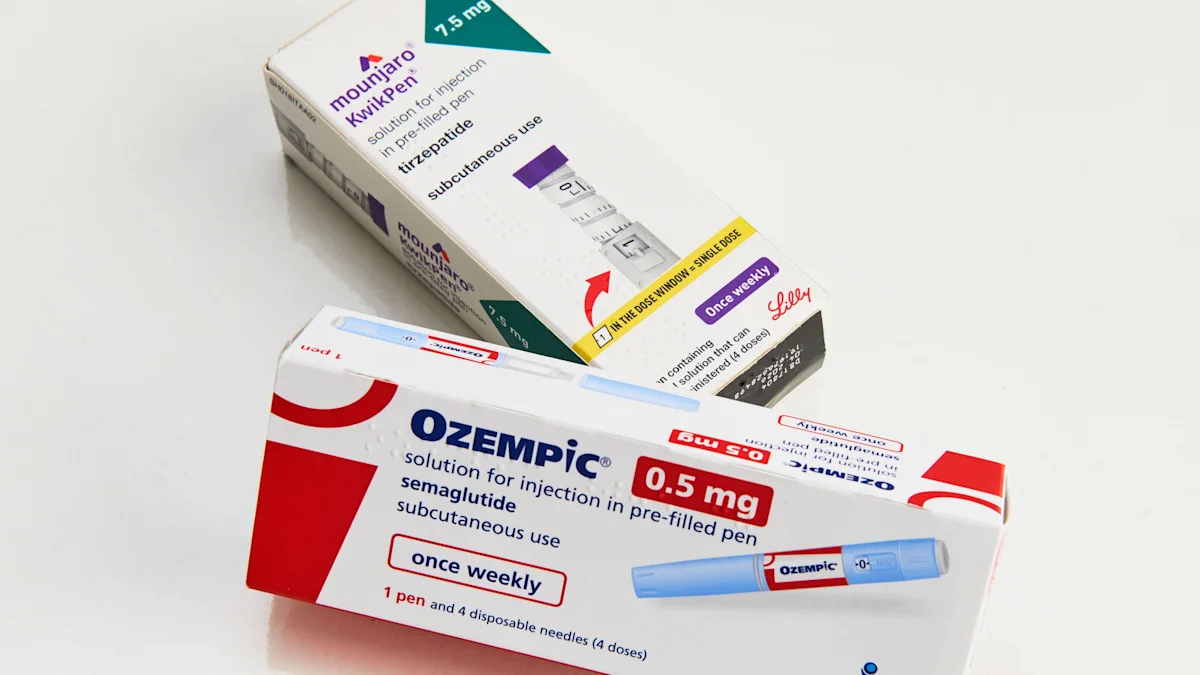
Athletes will be allowed to use popular weight-loss drugs under the World Anti Doping Agency’s rules in 2027 after WADA decided not to add GLP-1 medications to its Prohibited List, although the organization will continue monitoring their use and studying their potential impact on sporting performance.
The decision means drugs including semaglutide and tirzepatide, widely known through brands such as Ozempic, Wegovy and Mounjaro, will remain permitted for athletes next year. WADA confirmed that their status would remain unchanged while further scientific evidence is gathered on whether the medications can enhance performance or create risks specific to athletes.
The issue has attracted growing attention as weight loss medications have become increasingly popular around the world. GLP-1 receptor agonists were added to WADA’s Monitoring Program in 2024, allowing the organization to track patterns of use in sport both in and out of competition without making the substances prohibited. Tirzepatide was also included in the monitoring programme as WADA expanded its research into the rapidly developing class of drugs.
WADA’s decision follows months of debate over whether these medications could provide an advantage beyond their medical purpose. The organisation has been examining whether significant weight reduction, changes in appetite and other physiological effects could influence athletic performance, particularly in sports where body weight plays an important role.
However, WADA’s senior director of science and medicine, Professor Olivier Rabin, said there was currently insufficient evidence to conclude that GLP-1 receptor agonists meet the criteria required for inclusion on the Prohibited List. The organisation has therefore chosen to maintain their monitoring status while more data becomes available.
That does not mean the debate is over. WADA has commissioned research into the performance enhancing potential of the drugs and is preparing further work to understand their effects on athletes. The organization is expected to revisit the issue as new evidence emerges, meaning the status of GLP-1 medications could change in the future.
The medications have become a major part of the wider conversation around weight management. Semaglutide and tirzepatide work partly by influencing appetite and feelings of fullness, and clinical studies have demonstrated substantial weight loss effects at commonly prescribed doses. Their rapid rise has also brought increasing attention from the sporting world, where athletes are particularly conscious of body composition, weight categories and physical performance.
For athletes, however, being permitted under anti doping rules does not necessarily mean the drugs are appropriate for everyone. WADA has highlighted the need for further research into how these medications affect athletes, while sports medicine specialists have raised questions about issues such as reduced energy intake, muscle loss and the consequences of rapid changes in body weight.
There is also an important distinction between a medication being legal under anti doping regulations and it being medically suitable for an individual athlete. Athletes remain responsible for understanding the substances they take and complying with the rules governing their sport. USADA currently states that GLP-1 medications are not prohibited in sport while noting that WADA is monitoring and evaluating their use.
The decision also comes at a time when WADA is preparing for the next phase of its anti doping regulations. The agency’s 2027 Code and International Standards are already part of its wider regulatory work, while the Prohibited List continues to be reviewed annually.
For now, athletes using medically prescribed GLP-1 drugs will not face an anti doping ban simply because they are taking those medications in 2027. But WADA’s continued monitoring makes clear that the issue remains under scrutiny.
As the scientific understanding of weight loss drugs develops, the balance between legitimate medical treatment and possible sporting advantage will remain a significant question for anti doping authorities. For the moment, WADA has decided that the evidence does not justify a ban, but the door remains open for that decision to change if future research shows that these medications can materially affect performance or present risks that meet the criteria for prohibition.