FIFA World Cup 2026 to Introduce Significant Football Rule Changes
The FIFA World Cup 2026 will mark the beginning of a new chapter in international football, with several important law updates approved by the International Football Association Board (IFAB). The changes, which will also apply throughout the 2026 to 2027 season, are designed to improve the flow of matches, reduce delays, strengthen discipline, and enhance the overall experience for players, officials, and supporters.
According to FIFA Chief Refereeing Officer Pierluigi Collina, the amendments focus on increasing fairness while addressing issues that have affected the modern game.
Stricter Action Against Concealed Verbal Abuse
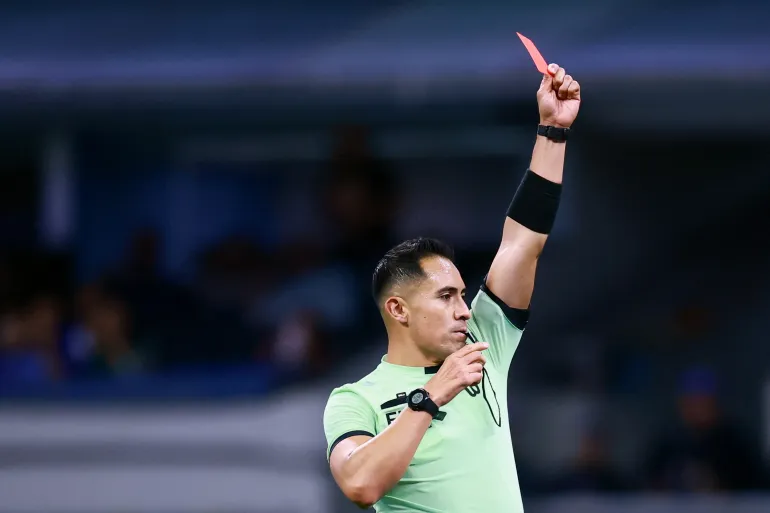
Players who deliberately cover their mouths using their hands, arms, or shirts during confrontational situations will now face a direct dismissal. The measure is intended to discourage discriminatory language and hidden verbal misconduct during matches.
However, casual conversations between players, such as club teammates representing different national teams, will not be penalised.
Tougher Punishment for Walk Off Protests
Football authorities have also taken a firm stance against organised protests on the pitch. Any player who leaves the playing area in protest against an official’s decision will receive a red card.
The same punishment can be applied to team staff members who encourage such actions. If a team causes a fixture to be abandoned by leaving the field, the match will be awarded to the opposition.
Countdown Introduced for Restarts
To reduce unnecessary delays, referees will visibly count down the final five seconds before a throw in or goal kick must be taken.
Failure to restart play in time will result in possession changing hands. An opponent will receive the throw in, while delayed goal kicks will lead to a corner kick being awarded.
Faster Substitution Process
Substituted players must now leave the pitch within ten seconds once the substitution board is displayed. They are required to exit at the nearest boundary point.
If they fail to comply, the incoming player may be forced to wait until a later stoppage before entering the match. Exceptions remain for injuries and safety related concerns.
New Medical Treatment Guidelines
Outfield players who receive treatment on the field from medical staff will be required to remain off the pitch for one minute after play resumes.
This rule does not apply to goalkeepers, serious head injuries, collisions involving goalkeepers, or situations where the affected player is preparing to take a penalty kick.
Expanded Role for VAR
The Video Assistant Referee system will now have broader authority.
Officials will be able to review situations involving mistaken identity, incorrect red cards resulting from second yellow card decisions, and certain corner kick decisions that can be corrected immediately.
VAR may also intervene when an offence occurs before the ball is officially back in play from a set piece restart, allowing referees to take disciplinary action and restart correctly.
Mandatory Hydration Breaks
Every World Cup fixture will include a three minute hydration interval in each half, generally around the 22nd minute.
Referees may adjust the timing slightly depending on circumstances, including injury stoppages.
New Protocol for Goalkeeper Treatment
When a goalkeeper receives treatment on the field, outfield players from both teams will no longer be allowed to gather with coaches for tactical discussions.
This prevents unofficial team talks during treatment breaks and ensures play resumes more efficiently.
A New Look for the Global Game
These rule modifications represent one of the most comprehensive updates in recent years. By targeting time wasting, strengthening disciplinary measures, expanding VAR responsibilities, and improving player welfare, football’s lawmakers hope to create a faster, fairer, and more entertaining spectacle when the World Cup begins on June 11.