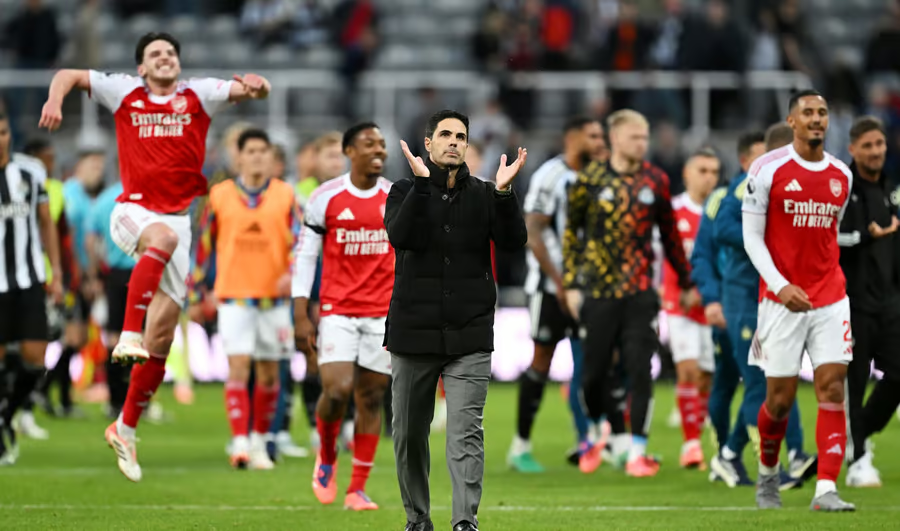
Fresh from securing the Premier League title, Arsenal now stand on the verge of an even greater achievement as they prepare to face Paris Saint Germain in the Champions League final. While PSG arrive with the tournament’s most productive attack, Arsenal have built their European campaign on defensive discipline and control, recording nine clean sheets compared to PSG’s five.
The clash promises to be a fascinating contest between attacking flair and defensive organisation, but Mikel Arteta’s side will need more than resilience if they are to overcome the French champions.
Creating Space Through a False Nine
One tactical approach that served Arsenal well in previous meetings with PSG was deploying Mikel Merino in an advanced role. Rather than operating as a traditional striker, Merino frequently dropped into midfield areas, creating numerical superiority in central zones.
PSG’s aggressive pressing system often relies on individual marking assignments. By drawing defenders out of position and creating overloads in midfield, Arsenal can progress the ball more effectively and escape pressure. Kai Havertz also possesses the intelligence and movement required to execute this strategy successfully.
Direct distribution from goalkeeper David Raya could also become an important weapon. Havertz and Merino are both capable of contesting aerial deliveries and bringing teammates into play through knockdowns and second ball situations.
Taking Risks in Central Areas
Several teams have troubled PSG this season by combining in tight spaces and drawing defenders into crowded sections of the pitch before quickly switching play.
Arsenal traditionally favour wide attacks and crossing opportunities, but the final may require a more adventurous approach through the middle. Players such as Martin Odegaard, Bukayo Saka, Leandro Trossard, Martin Zubimendi, Eberechi Eze and Havertz possess the technical quality to operate under pressure and unlock compact defensive structures.
Containing PSG’s Dynamic Attack
A major challenge will be limiting the influence of Khvicha Kvaratskhelia. The Georgian winger remains one of the most dangerous attacking threats in world football, particularly with his intelligent movement away from the ball.
PSG’s fluid attacking structure constantly rotates players across the frontline, making defensive organisation extremely important. Arsenal must decide whether to apply intense pressure to players dropping into deeper positions or sit slightly deeper to deny space behind the back line.
Arteta found success with a more aggressive pressing structure during last season’s encounters, while Chelsea also demonstrated the value of relentless pressure during their recent victory over PSG.
Set Pieces Could Be the Difference
One area where Arsenal may hold a clear advantage is from dead ball situations. Despite conceding only 29 league goals, PSG have allowed six goals from non penalty set pieces this season.
Crosses delivered toward the far post have repeatedly caused problems for the French side. Opponents have enjoyed success by directing headers back across goal, exploiting PSG’s difficulties when defending aerial deliveries while retreating toward their own net.
With Arsenal possessing some of the most dangerous set piece routines in Europe, corners and free kicks could prove decisive. In a final likely to be decided by fine margins, Arteta’s side may find their biggest opportunity through one of their greatest strengths.
The challenge is enormous, but Arsenal have shown throughout their European campaign that they possess the tactical flexibility, defensive solidity and attacking quality required to compete with the continent’s best. If they execute their game plan effectively, Champions League glory could be within reach.