Formula 1 is officially heading back to Africa after Rwanda secured a landmark 10 year agreement to host the African Grand Prix from the early 2030s, ending a continental absence that has stretched for more than three decades.
The new race will take place at a purpose built circuit in Bugesera, around 40 kilometres south of Rwanda’s capital Kigali, next to the country’s new international airport.
Formula 1 confirmed that the inaugural event will be staged once construction of the venue is completed, with the first Grand Prix expected early in the next decade.
The announcement represents one of the most significant calendar developments in modern Formula 1.
Africa has not hosted a world championship race since the 1993 South African Grand Prix at Kyalami, despite repeated calls for the sport to return to the continent.
Rwanda will become only the third African nation to host a Formula 1 world championship event, following Morocco and South Africa. Morocco staged a championship race near Casablanca in 1958, while South Africa later became the continent’s long term home for Formula 1.
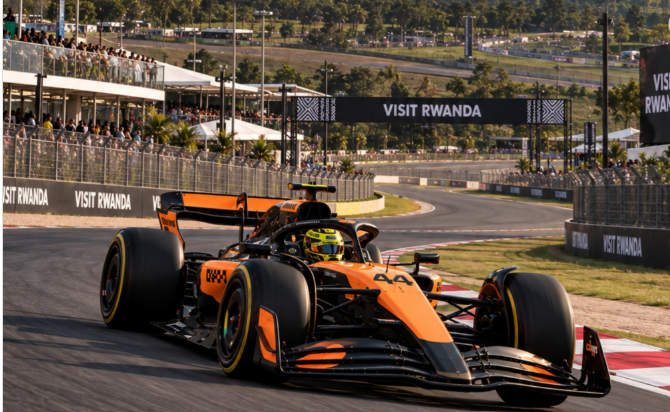
The new event will officially be known as the Formula 1 African Grand Prix, presented by Visit Rwanda.
Formula 1 president and chief executive Stefano Domenicali described the agreement as a landmark moment for the sport and said Rwanda’s arrival would mean Formula 1 races on every inhabited continent.
The championship has spent several years exploring options for a return to Africa, with both Rwanda and South Africa among the countries linked with possible races.
Rwanda formally announced its intention to pursue a Grand Prix in December 2024 when Kigali hosted the FIA General Assembly.
Two years later, that ambition has now developed into a long-term hosting agreement.
The circuit itself is expected to become one of the most distinctive venues on the Formula 1 calendar.
Former Formula 1 driver Alex Wurz is involved in designing the track, with renowned circuit design company Tilke also contributing to the project.
The planned layout will be built to FIA Grade 1 standards, the certification required for hosting Formula 1 races.
It is expected to be a fast and flowing circuit that makes extensive use of Bugesera’s natural elevation changes.
The design is intended to place spectators close to the action while creating a demanding challenge for drivers.
Reports suggest the circuit will stretch beyond six kilometres and feature significant changes in elevation throughout the lap, potentially giving it a very different character from many of the modern venues already on the calendar.
The wider development will also extend beyond Formula 1.
The venue is being planned as a multi purpose complex capable of hosting other motorsport competitions, concerts, conferences, exhibitions and entertainment events throughout the year.
Rwanda Development Board chief executive Jean Guy Afrika said the facility is expected to accommodate around 100,000 spectators.
Formula 1 and the Rwandan government have positioned the project as part of a broader investment strategy linked to tourism, infrastructure, local business and skills development.
Formula 1 estimates that more than 100 million fans across Africa already follow the championship.
The sport also says almost 60 per cent of fans in several key Sub Saharan African markets are under the age of 35, giving F1 a rapidly growing audience on the continent.
Those figures help explain why Africa has increasingly become an important part of Formula 1’s long term expansion plans.
The championship currently operates a 24 race calendar covering Europe, Asia, North America, South America, Australia and the Middle East.
Adding Africa fills the only major geographical gap remaining in the championship’s global footprint.
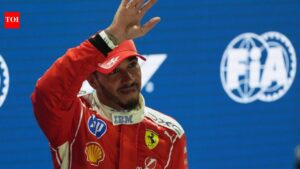
Seven time world champion Lewis Hamilton has been one of the strongest public supporters of an African Grand Prix.
Hamilton has repeatedly argued that Formula 1 needed to return to the continent and renewed those calls during the recent Singapore Grand Prix weekend.
He described Africa as one of the most important regions still missing from the championship and praised Domenicali for spending considerable time exploring possible opportunities there.
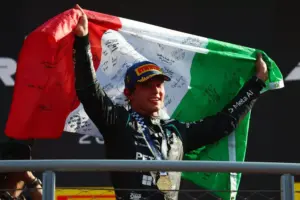
Max Verstappen has also expressed support for the idea.
The Red Bull driver previously visited Rwanda and said he would welcome the opportunity to race there if the project could be completed successfully.
Rwandan President Paul Kagame described the agreement as a historic development for both his country and the wider continent.
He said the project should create opportunities for young Africans not only as fans but also as future engineers, technicians, entrepreneurs and potentially racing drivers.
Kagame also argued that the development around Bugesera could create jobs, increase tourism and attract additional international investment.
Formula 1 has similarly emphasised that it wants the project to create benefits that extend well beyond a single race weekend.
The agreement does not necessarily end South Africa’s hopes of returning to the Formula 1 calendar.
Kyalami and a possible Cape Town event have both been explored as potential future options.
South African sports minister Gayton Mackenzie has suggested there is no reason Africa could not eventually support more than one Grand Prix, particularly as the sport continues to expand globally.
Formula 1’s existing calendar is already crowded, however, meaning future races will depend heavily on which current hosting contracts are renewed.
Several agreements are due to expire before Rwanda is expected to join, potentially creating room for changes to the schedule before the early 2030s.
The Rwanda deal has also attracted criticism from human rights organisations.
Amnesty International accused Formula 1 of helping Rwanda improve its international image through sport and argued that the championship should pay closer attention to allegations involving political repression and human rights abuses.
The Rwandan government did not immediately respond to Reuters’ request for comment on Amnesty’s criticism.
Formula 1 said sport could be a positive force and highlighted the opportunity to bring the championship closer to millions of African fans.
Those debates are likely to continue as the project progresses, particularly because Rwanda has increasingly used major international sporting partnerships as part of its global tourism strategy.
Visit Rwanda has previously appeared across football, basketball and cycling partnerships, while the country has hosted events including the UCI Road World Championships, the Basketball Africa League, the FIFA Congress and the FIA Awards.
For Formula 1, however, the announcement finally provides a concrete answer to a question that has followed the championship for years.
The sport is returning to Africa.
There is still considerable work ahead before the first cars arrive in Bugesera. The circuit has to be constructed, FIA approval secured and a final opening season confirmed.
Formula 1 has said further details regarding construction milestones, the first race date and the exact weekend format will be announced later.
But the 10 year deal gives Rwanda a long term position within Formula 1’s future and creates the prospect of a completely new race for drivers, teams and supporters.
More than three decades after Formula 1 last raced on African soil, Rwanda is now preparing to bring the championship back to the continent, with a new circuit, a decade long agreement and one of the most ambitious additions to the F1 calendar in years.