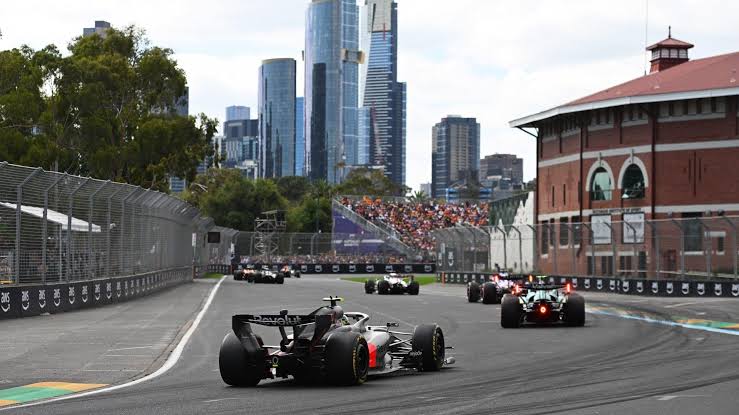
Formula 1 is set for another significant rules change in 2027, with Grand Prix distances due to be shortened and a new race day “hard stop” system introduced as the FIA continues to refine the sport’s new-generation technical regulations.
The changes were agreed during a Formula 1 Commission meeting in London on September 21, where representatives from the FIA, Formula One Management and the teams discussed a series of sporting and technical updates for next season.
Under the proposed rules, the standard Grand Prix distance will be reduced from 305 kilometres to 290 kilometres. Depending on the length of each circuit, that is expected to remove approximately two or three laps from most races.
The adjustment is linked directly to changes being made to Formula 1’s power unit regulations.
The FIA confirmed that refinements to the fuel-flow rules are planned for 2027 as part of the ongoing development of the engine regulations introduced at the beginning of the 2026 season. With fuel flow levels changing, reducing the overall Grand Prix distance will help ensure the cars remain compatible with the revised performance and energy requirements.
For fans, the difference should be relatively small.
Most Grands Prix will effectively become only a few laps shorter, meaning the fundamental format of a Formula 1 Sunday will remain unchanged. However, those missing laps could still influence strategy, particularly at circuits where tyre degradation and fuel management play important roles.
Teams may have slightly fewer opportunities to recover from poor starts or unsuccessful pit-stop strategies, while drivers could potentially push harder during particular phases of a race because the total distance is reduced.
The current sporting regulations generally require a Grand Prix to cover the smallest number of complete laps exceeding 305km, although Monaco has traditionally been an exception with a shorter minimum distance. The new 290km standard will therefore represent a noticeable change to one of Formula 1’s long-established race regulations.
Another important change concerns races disrupted by severe weather, accidents or other lengthy interruptions.
Formula 1 currently operates with a maximum of two hours of actual racing, along with an overall three-hour window from the race start that includes periods when the event has been suspended.
From 2027, that three-hour overall limit is set to disappear.
Instead, Formula 1 will introduce a specific “hard stop” time, after which no further racing activity will be permitted. The existing two hour limit on actual racing will remain in place.
The FIA says the change is designed to give spectators the best possible opportunity to see a full Grand Prix when conditions force lengthy delays.
Under the present system, a long red-flag period can consume much of the three-hour window even though very little racing has taken place. Removing that restriction could give race control greater flexibility to wait for conditions to improve before restarting an event.
The hard stop system would still provide a definite finishing point, preventing heavily delayed Grands Prix from continuing indefinitely.
The FIA has not yet detailed a single universal clock time that will apply to every race. The precise operation of the new rule will therefore become clearer as the 2027 sporting regulations are finalised.
Free Practice sessions are also set to become more flexible.
The Formula 1 Commission agreed that officials should have greater freedom to extend practice sessions when they are interrupted. Currently, that flexibility is more limited and is particularly associated with Sprint weekends.
From 2027, similar extensions could become available during conventional Grand Prix weekends when red flags, weather or other incidents significantly reduce running time.
That could prove particularly useful for teams during weekends where practice is affected by crashes or difficult weather conditions.
With modern Formula 1 cars requiring extensive setup work and data collection, losing a large section of a practice session can have major consequences for qualifying and race preparation. Allowing additional running time could reduce the impact of circumstances outside a team’s control.
The Commission also approved the removal of gearbox homologation for 2027, following discussions with manufacturers and a recommendation from the Sporting Advisory Committee.
The FIA said the change is intended to preserve development freedom for gearbox suppliers, while several smaller amendments to the 2027 Technical Regulations were also agreed.
These latest decisions arrive as Formula 1 prepares for another busy season.
The 2027 calendar features 24 Grands Prix across 22 countries, with the championship scheduled to begin in Bahrain in March and conclude in Abu Dhabi in December. The season will also feature a record 10 Sprint events, up from six.
Portugal will return to the calendar, while Türkiye will also rejoin the championship. Pre season testing is scheduled to take place in Bahrain from February 24-27.
Although reducing Grand Prix distances from 305km to 290km may appear to be a relatively minor adjustment, it forms part of a wider effort to refine the regulations introduced during Formula 1’s latest technical era.
The new hard stop system could prove even more noticeable, particularly during rain affected races where long interruptions have previously created confusion over how much racing time remains.
Both changes have been approved by the Formula 1 Commission but still require formal approval from the FIA World Motor Sport Council before becoming part of the final regulations.
If approved as expected, Formula 1 fans will therefore see slightly shorter Grands Prix in 2027, combined with a more flexible approach to disrupted races.
The races may lose a few kilometres, but with strategy compressed into fewer laps and greater scope to restart events after lengthy interruptions, the changes could still have a meaningful impact on how Formula 1 weekends unfold.