Formula 1’s first visit to Madrid’s new Madring circuit delivered plenty of talking points, but according to former F1 driver and Sky Sports analyst Martin Brundle, there is significant room for improvement before the championship returns in 2027.
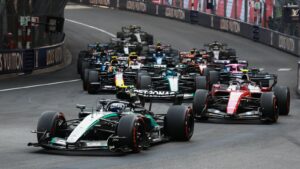
The inaugural Spanish Grand Prix at Madring saw Mercedes star Kimi Antonelli claim victory ahead of Max Verstappen and Lando Norris. While the new venue brought an impressive atmosphere and some technically challenging sections, the lack of overtaking quickly became one of the biggest criticisms of the weekend.
Brundle described the first Madring event as essentially a work in progress. He highlighted the long, banked Turn 12 and the high speed sections between the barriers as interesting features, but felt the overall circuit layout made overtaking extremely difficult. The combination of fast corners, narrow sections and limited opportunities to follow another car closely meant drivers often needed either a mistake from the car ahead or a risky move to gain a position.
That problem became especially clear during the race. Despite the new Madrid circuit being less restrictive than Monaco, passing opportunities were still extremely limited, leading several drivers and teams to call for changes before next season. Madring organisers have already indicated they are open to modifying the layout, with the FIA providing recommendations aimed at creating better overtaking opportunities for 2027.
Brundle believes Formula 1 and circuit designers should look at established tracks that consistently produce good racing rather than simply assuming that a long straight followed by a chicane will automatically create overtaking. He expects Madring to evolve, with changes not only to the circuit itself but also to the operational areas surrounding the paddock and pit lane.
Another major talking point from the Spanish Grand Prix was the Virtual Safety Car period that dramatically changed the outcome of the race.
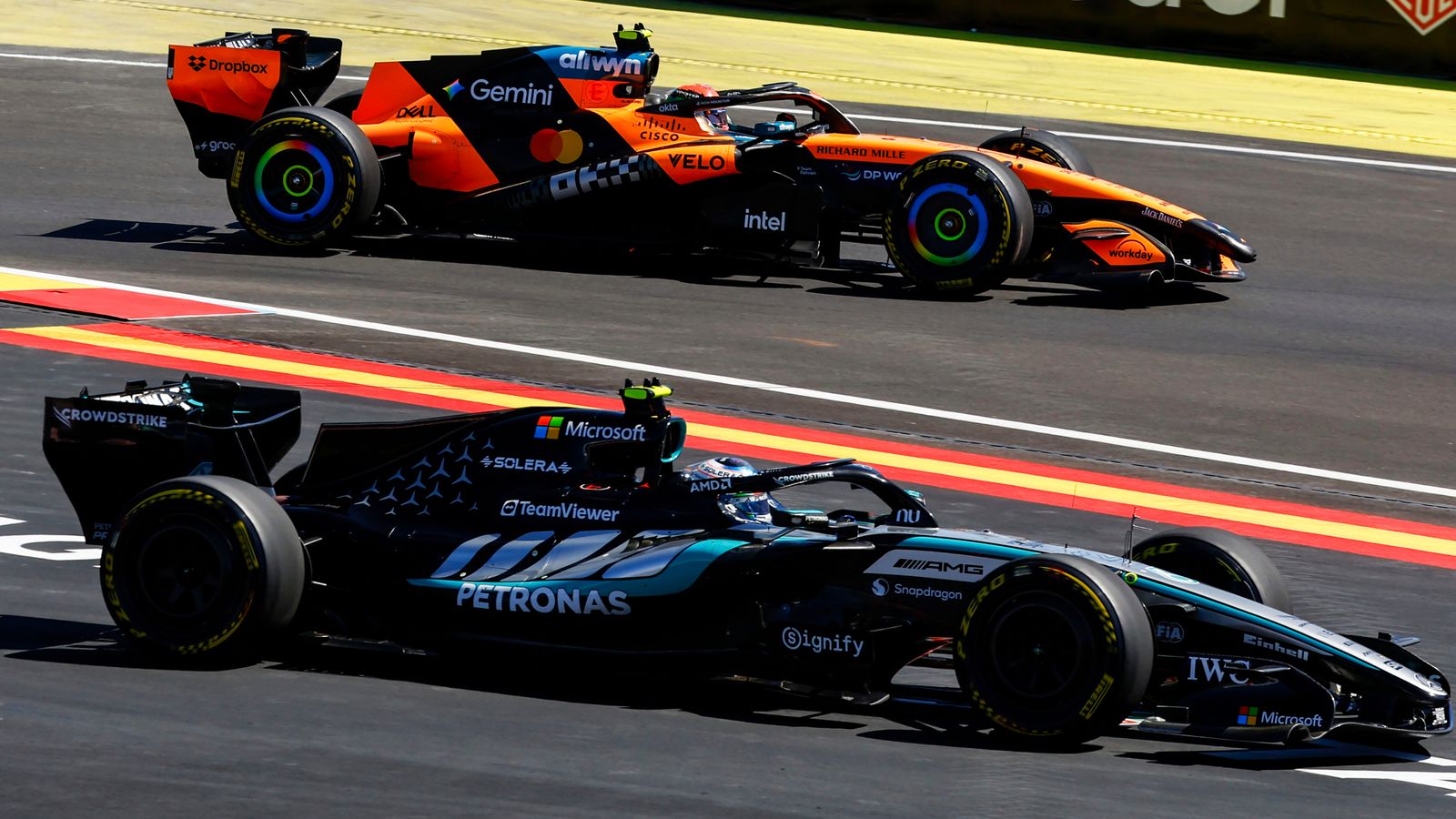
Norris had started from pole position and appeared to be in control when Lance Stroll’s stranded Aston Martin triggered a VSC on lap 14. Unfortunately for the McLaren driver, he had just passed the pit lane entrance when the VSC was activated. Antonelli was able to stop immediately and benefit from the reduced speeds on track, while Norris had to complete another lap before making his own stop.
The difference was particularly significant at Madring because a normal green flag pit stop costs around 25 seconds, while stopping during the Safety Car or Virtual Safety Car period provided an advantage of roughly 12 seconds compared with rivals travelling at restricted speed. Norris’ situation was then made worse by a slow McLaren pit stop.
Antonelli ultimately took the lead and went on to win, while Verstappen finished second and Norris recovered to third. Both Antonelli and Verstappen acknowledged afterwards that Norris had been unfortunate and was in a strong position to win before the VSC changed the race.
The incident has renewed questions over whether the current VSC regulations are completely fair. Norris has suggested changes could include temporarily closing the pit lane or developing a system that gives every driver a comparable opportunity to stop when a VSC is called.
Brundle also raised the possibility of requiring a Virtual Safety Car to remain active until every competitor has completed at least one full lap under VSC conditions. Such a system could reduce the lottery created by a driver’s position on the circuit when the VSC is deployed. However, it would also mean sacrificing additional laps of full speed racing.
There is therefore no perfect solution. Closing the pit lane could create its own strategic and safety complications, while extending every VSC period could reduce the amount of racing fans get to see.
For Madring, however, the direction appears much clearer. The Madrid venue has many of the ingredients required to become an important part of Formula 1, but its first race exposed weaknesses that will need attention. Better overtaking zones, adjustments to certain corners and improvements to the event’s operational layout could make the 2027 edition considerably stronger.
The inaugural race may not have produced the on track spectacle many had hoped for, but with organisers, drivers and the FIA already discussing improvements, Madring’s Formula 1 story is only beginning.