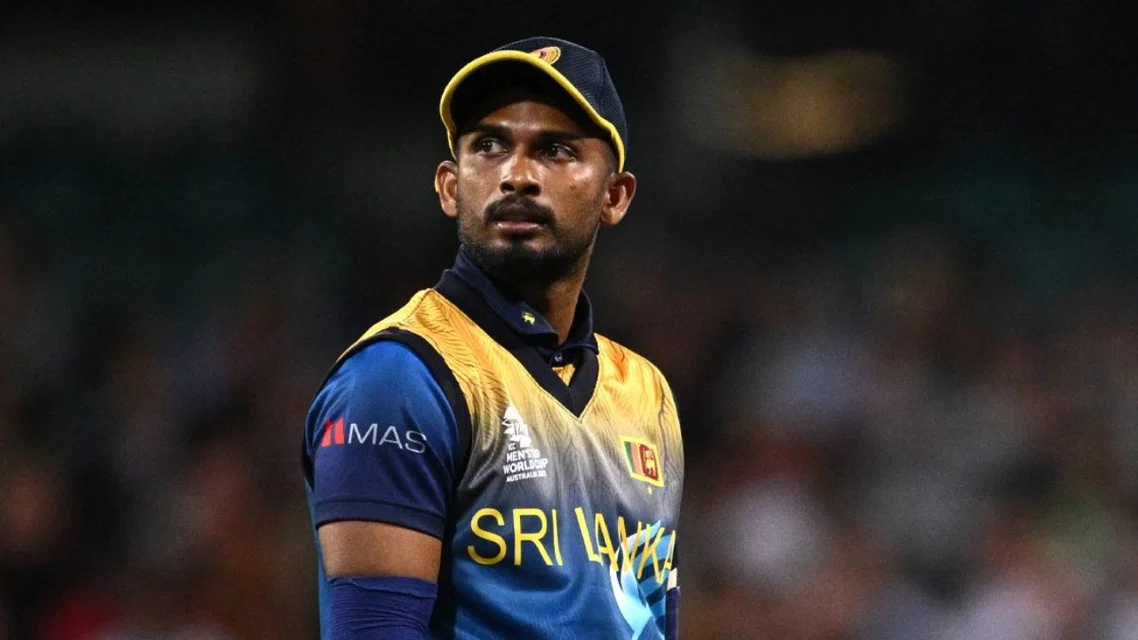
Sri Lanka’s white-ball all-rounder Dasun Shanaka has been suspended from the Pakistan Super League for one year after authorities ruled that he violated his contractual obligations with the tournament and the Lahore Qalandars.
Shanaka, 34, had originally been picked by Lahore for PKR 75 lakh for the 2026 season. However, he opted out of the competition on March 21, a move that quickly drew attention. Just a day later, he was announced as a replacement signing for Rajasthan Royals in the Indian Premier League, stepping in for Sam Curran.
Following a detailed assessment, the Pakistan Cricket Board concluded that Shanaka’s withdrawal did not align with the permitted conditions outlined in his agreement. Officials stated that his decision was taken independently and did not fall under acceptable reasons recognized within the league’s contractual structure.
The board acknowledged that Shanaka had shown remorse during the disciplinary process and expressed a strong desire to feature in Pakistan’s premier T20 competition in the future. Despite this, regulators emphasized that maintaining fairness and protecting the exclusivity of the league required firm action.
In an official statement, Shanaka conveyed his regret, offering an apology to supporters in Pakistan, followers of the PSL, and the broader cricketing community. His comments reflected disappointment over the situation while also underlining respect for the tournament and its audience.
The ruling serves as a strong reminder of the strict contractual framework governing global franchise leagues. With overlapping calendars between major tournaments such as the PSL and IPL, player commitments continue to be closely monitored. Shanaka’s case highlights the consequences of prioritizing one competition over another without adhering to formal agreements.
As franchise cricket grows more competitive, governing bodies are expected to enforce regulations more rigorously, ensuring that contractual integrity remains central to the sport’s global structure.