Formula 1 faced strong criticism from several leading drivers after severe weather and unexpected technical failures caused major disruptions to a Grand Prix in Malaysia. The incident raised fresh concerns about the complexity of the sport’s 2026 regulations.
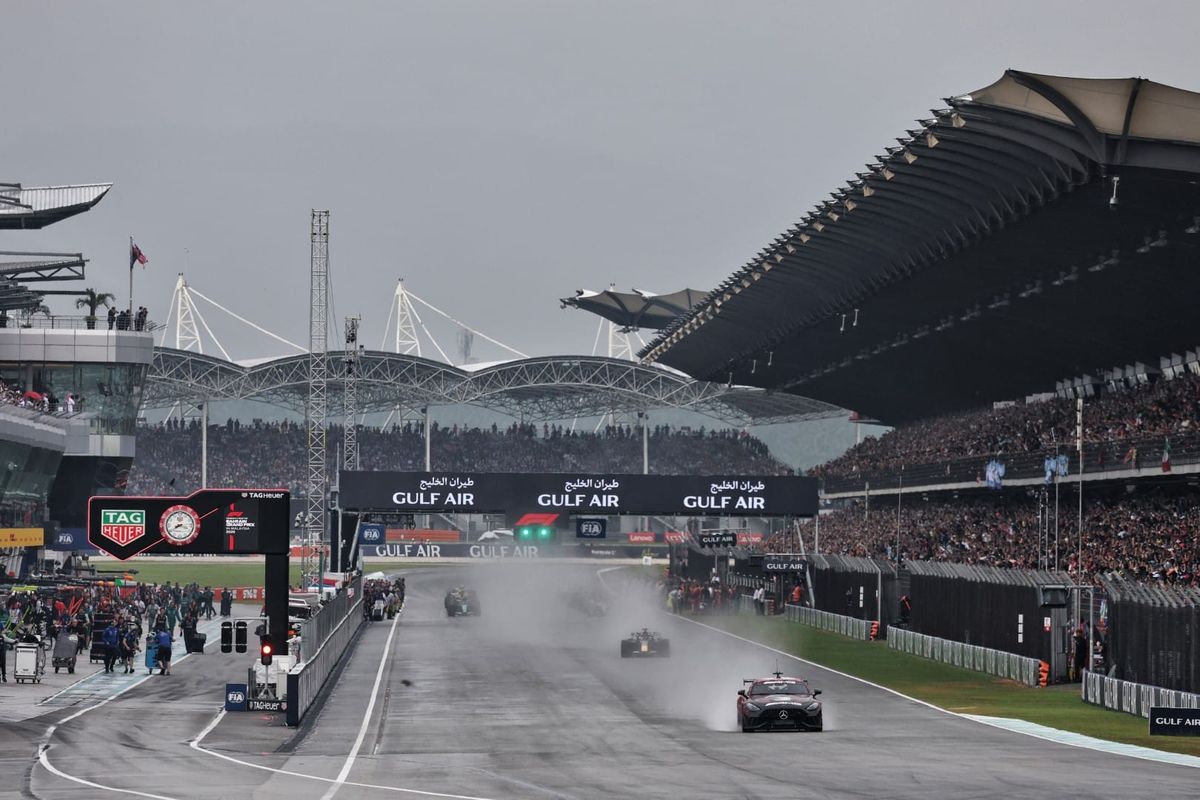
Heavy rainfall initially forced organisers to postpone the scheduled start by 40 minutes. However, further complications emerged when several cars experienced problems during their preparation laps. Officials abandoned the starting procedure, extending the overall delay to approximately one hour and 40 minutes.
Mercedes driver George Russell expressed disappointment with how events unfolded, suggesting spectators deserved a smoother experience. He also highlighted the increasing technical demands of modern power units, warning that sophisticated systems create additional opportunities for failure.
McLaren’s Lando Norris questioned the sport’s growing reliance on electrical technology. The current engine configuration features a 53 percent contribution from internal combustion power and 47 percent from electrical energy, making vehicle management particularly challenging.
Cadillac’s Sergio Perez considered the situation unacceptable for a championship of Formula 1’s international standing.
Carlos Sainz also urged officials to reconsider the direction of the regulations. He argued that excessive software controls and complicated engineering requirements were creating unnecessary difficulties for competitors and manufacturers.
Race winner Max Verstappen supported calls for improvements, while seven time world champion Lewis Hamilton expressed surprise at having to restart his machinery during the unusual proceedings.
Oscar Piastri, meanwhile, encouraged patience before assigning responsibility. He suggested that weather conditions, possible software changes or lightning related interruptions could have contributed to the failures.
The controversy has intensified discussions about whether Formula 1’s technological ambitions are affecting race operations. With drivers demanding greater reliability, championship authorities face growing pressure to examine the regulations and prevent similar disruptions at future events.